Cabbage has a mild, slightly sweet, and earthy flavor that varies depending on the type and color. Green cabbage is the most common and has a crisp and peppery taste. Red cabbage is similar to green, but with a deeper and more complex flavor. Purple cabbage is the most colorful and has a slightly bitter and spicy taste. Savoy cabbage is the most tender and has a buttery and nutty flavor. Cabbage can be eaten raw or cooked, and it changes its texture and flavor accordingly. Raw cabbage is crunchy and refreshing, while cooked cabbage is soft and mellow.
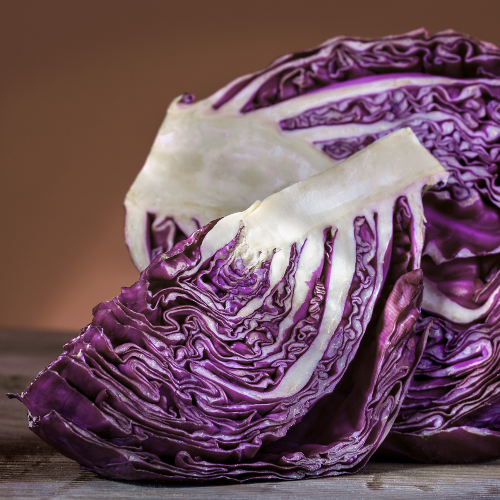
Primero
An early-maturing red cabbage known for its sweet, slightly peppery flavor and tender, crisp texture. Ideal for fresh salads, slaws, or cooking.
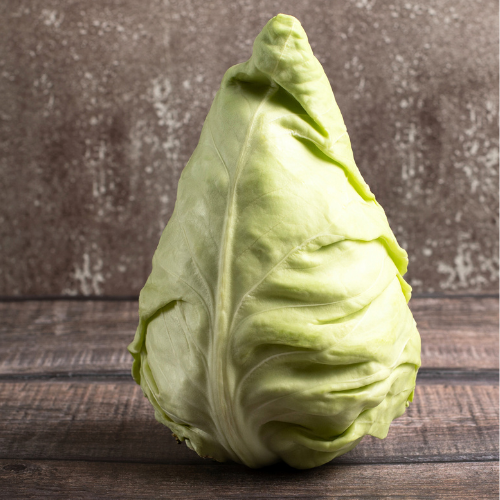
Filderkraut
Large, pointed heads with tightly packed leaves and delicate crunch. Particularly well-suited for sauerkraut, slaws, and gentle braising.
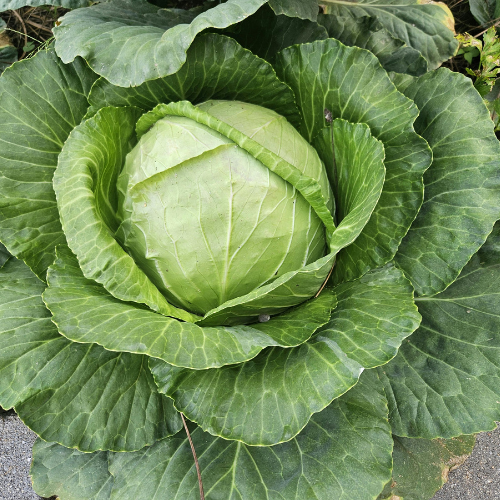
Katarina
Dense green heads with crisp leaves and a clean, mild flavor. Works well raw in salads or cooked down in soups and saut�s.
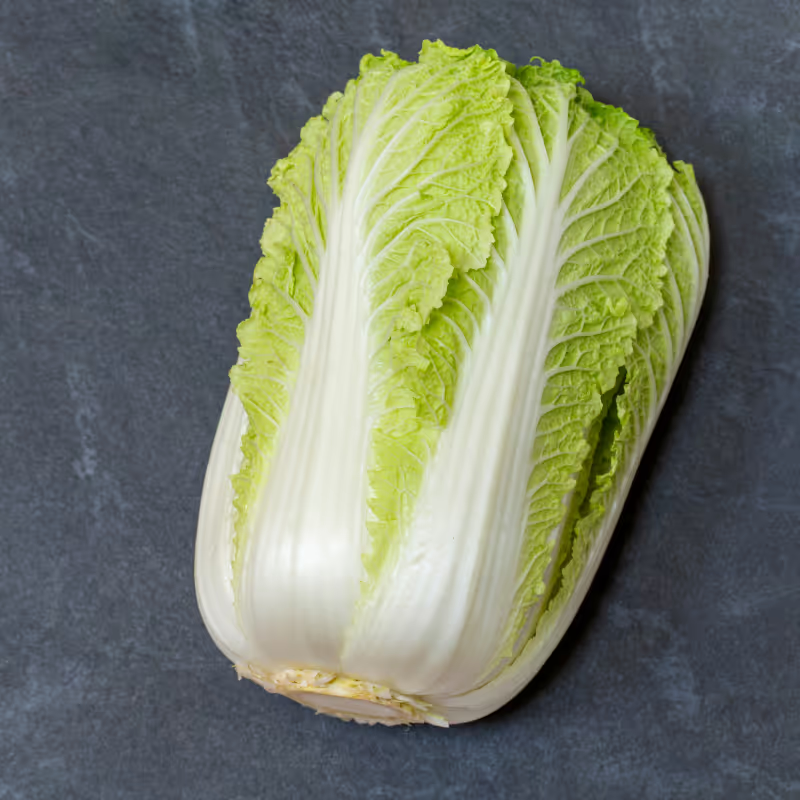
Minuet (Napa)
The Minuet variety of napa cabbage features compact, tender heads with crisp, light green leaves and a delicate, slightly sweet flavor. Its finely ribbed texture makes it ideal for raw salads or quick stir-fries, offering a refreshing crunch and mild taste that pairs well with a variety of dishes.
Cabbage is a low-calorie and high-fiber food that can help you feel full and satisfied. It’s also rich in vitamin C, vitamin K, and antioxidants that can boost your immune system and protect your cells from damage. Cabbage also contains sulfur compounds that may have anti-inflammatory and anti-cancer properties. One cup (89 grams) of chopped raw green cabbage has only 22 calories, 2 grams of fiber, 54% of the daily value (DV) of vitamin C, and 85% of the DV of vitamin K.
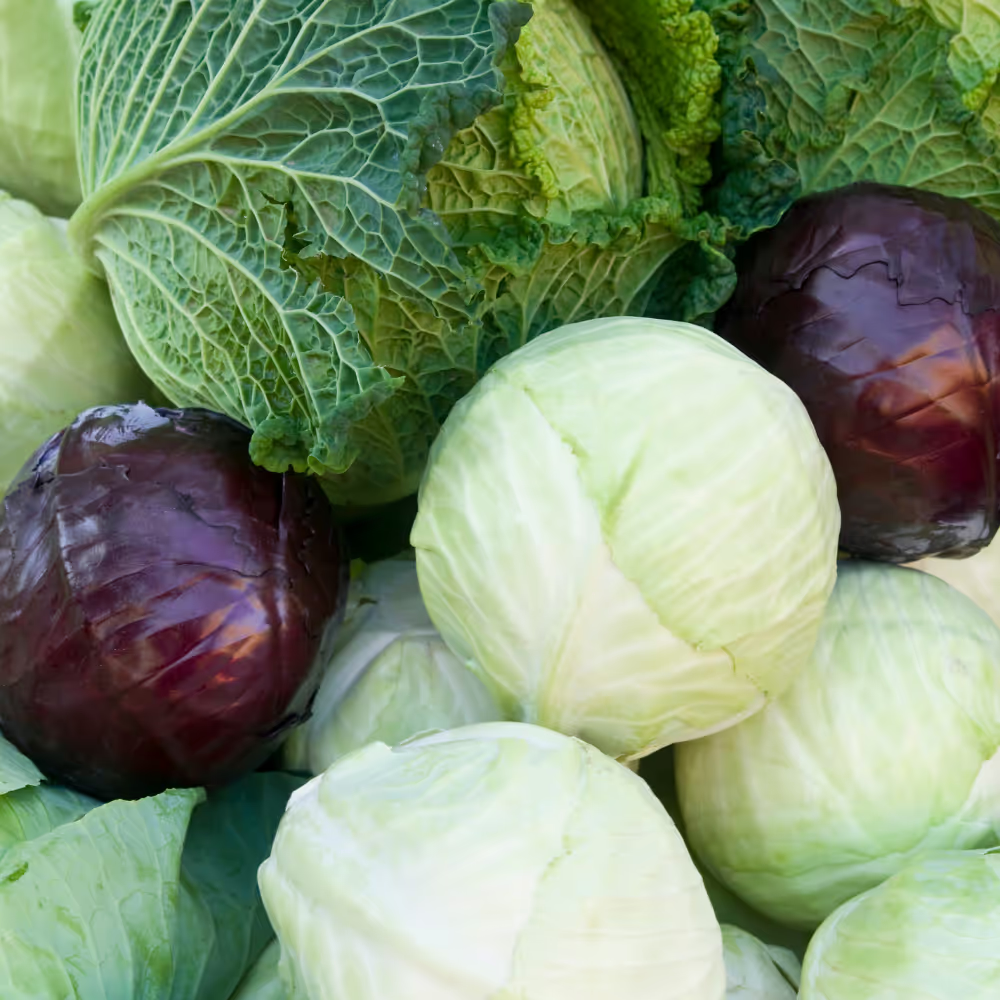
Cabbage is more than just a humble vegetable. It’s a versatile, nutritious, and delicious ingredient that can enhance your dishes and your health. Whether you prefer it green, red, or purple, cabbage can offer you a range of benefits and flavors. Here are some tips on how to enjoy this leafy wonder.


Cabbage is best eaten fresh, but you can store it in the refrigerator for up to two weeks. To store cabbage, remove any wilted or damaged outer leaves and discard them. Do not wash or cut the cabbage until you are ready to use it, as this will reduce its shelf life and quality. Wrap the whole cabbage loosely in a plastic bag or a damp paper towel and place it in the crisper drawer of the refrigerator, away from ethylene-producing fruits like apples and bananas.

